| 匹克球 | 字畫 | 遠足 | 香港遊 | 深圳遊 | 編寫中 |
| 生物書 | 裱畫 | 裝修 | 食海鮮 | 風水 | 編寫中 |
天月體藝會 為香港政府註冊社團,是唯一能提供真正「通識教育」的機構。都市人生活繁忙,少有體育活動,致體能日降,生活乏味,究其原因,未有正式學習各種體藝技能,不識便不玩之故,本會望能略盡棉力,推廣體藝等教育,令會員於以下範疇: 健身、減肥、網球、乒乓球,保齡球、游泳、書法、篆刻、遠足、太極等項目皆能掌握基本技能(通識),並以弘揚文武合一為宗旨,令會員擁有強健之體魄,多元的技藝,廣泛的興趣,長壽健康,盡享多姿多采的人生。
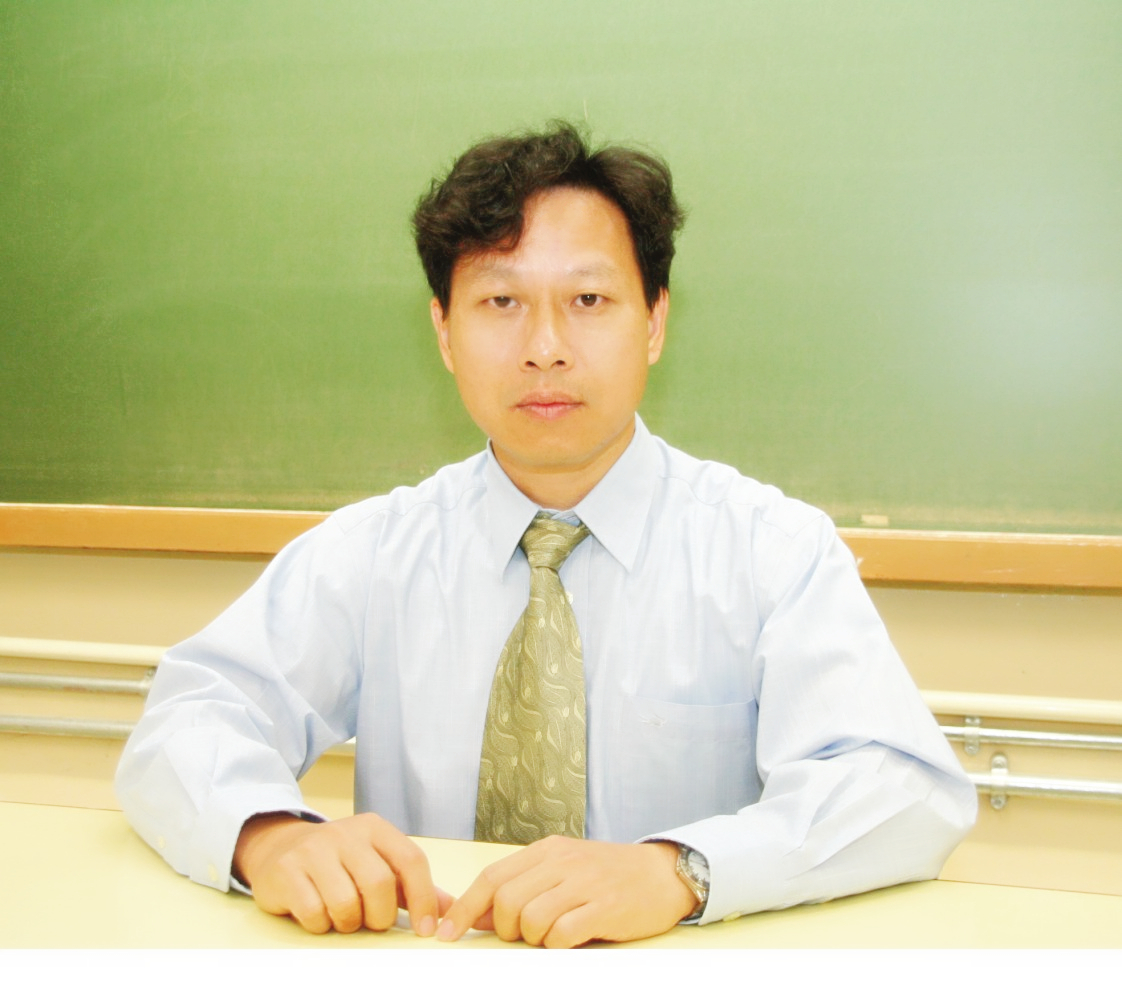
會長(總教練): 楊祐添老師 (Tim sir)
專業資格:
- 香港中文大學榮譽生物學士
- 香港中文大學教育文憑
- 香港中文大學輔導文憑
- 香港中文大學專業書法文憑
- 香港健美總會高級教練
- 國際康體專才學院銅級教練
- 香港業餘游泳總會游泳教練
- 香港拯溺總會銅章
- 美國職業網球教練協會(PTR)教練
- 香港網球總會網球教練
- 香港匹克球總會匹克球教練
申請入會
所有本人的學生皆可免費成為本會會員,享受本會舉辦的團體活動。未克入會人仕請隨便在本網瀏覽,了解各技能的基本知識。
博雅藝術文玩專營店給予本人購物優惠, 在該店購物只要說出是天月體藝會會員(無須認真, 你說是便可)或楊祐添老師的學生便可獲85折, 各位, 不要白不要, 我會名稱不易記, 總之說是我學生便可。
博雅藝術文玩專營店地址: 香港中環域多利皇后街九號中商大廈四樓
Facebook: https://www.facebook.com/tsikuchai/posts/2581757535460767
生命的正負能量
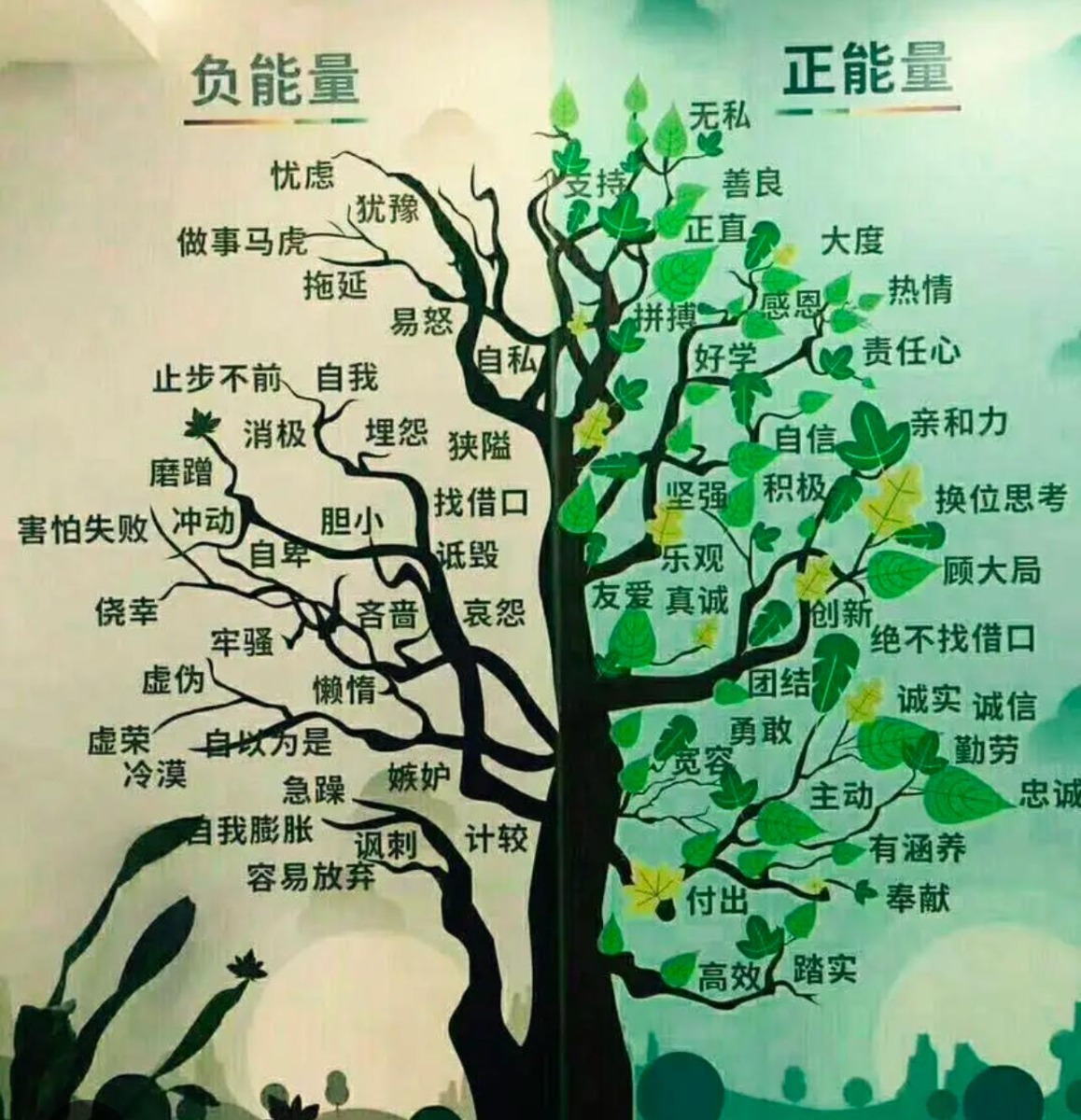
健康要訣
- 藥療不如食療,食療不如心療,養生的最高境界正是養心。
- 人活一世,心態最重要,心態好的人,一切都好!
- 情緒不好,所有養生都是徒勞的。
- 壞情緒,是一切疾病的根源。
- 一切病症都是心魔衍生而來,心魔就是病症所在,心念轉變,心態好了,自然身康體健,百病不侵。
- 人這一生,最好的醫生永遠是自己,最好的藥物永遠是健康明媚的心態。
- 物隨心轉,境由心生。決定一個人狀態好壞的,不是外在的境遇,而是自己的心境。
成功者的20個特質
- 謙虛
- 時刻自我反省
- 勤奮
- 無比毅力
- 不怕苦
- 懂得稱讚別人
- 心懷感恩
- 懂得原諒
- 有積極信念
- 失敗時能承擔責任
- 真心希望他人也能成功
- 每天閱讀
- 做事有計劃
- 成功時不忘記為他人表功
- 制定人生目標
- 喜歡分享喜悅
- 面對改變不畏懼
- 不斷學習
- 以助人為工作的原動力
- 努力尋求改變、並勇於突破現狀
失敗者的20個毛病
- 不肯向別人學習
- 不懂自我反省
- 好食懶飛
- 没責任感
- 没有毅力
- 非常自私
- 只會批評別人
- 認為凡事都是自己應得的
- 愛推卸責任(姓賴)
- 小心眼
- 把他人功勞當成自己的
- 每天只顧打機
- 稍不如意便大發脾氣
- 一把年紀還在啃老
- 蠻不講理
- 沒有誠信
- 經常遲到
- 工作散漫, 被炒也不當一回事
- 不孝順父母
- 從沒想過要訂定目標
希望各位努力學習, 只有成功者的特質而沒有失敗者的毛病。
改變源於生活, 卓越始於追尋!
生活的藝術
改變一生的關鍵:
- 做對自己最重要的事,就是做身邊的事,而不是做遠方模糊的事。
- 成功的秘訣,是活在今天。你有的,就是今天。埋葬已逝的昨天,切斷那些引領傻子滅亡的昨天。明天的憂慮,加上昨天的重擔,會造成今天的障礙。
- 為明天準備,集中你所有智慧和熱忱,將今天的工作做得最好,這就是為明天準備的最好方法。
- 如果一條船沉了,不要把它撈上來。與其花時間在埋怨昨天的錯誤,不如將時間用在解決明天的問題上。
- 當遠景迷糊不清時,最重要是做好目前的一步。
- 把生命想像成沙漏,沙漏的上一半是無數沙粒,但每次只能有一粒沙子通過沙漏中段的窄門,我們生命中,也有無數事情要做,就好像沙漏中的無數沙粒要通過窄門一樣,但每次我們只能做好目前的每一件事。
- 當我們做好了目前的事,我們就不再為明天而擔憂了。
- 只要活著,每天都是一個新的生命。因此,當你每天早上醒來時,你就對自己說:「今天,我又是一個新的生命了」。
- 人最可哀的,是緬懷過去,而不去主動生活;只是每天夢想著未來的玫瑰園,而不去欣賞今天路上的玫瑰花。
- 想想,生命以難以置信的速度消逝,在宇宙的時空內,我們正在以每秒十九公里的速度飛行著,目前這一刻,是最重要的,是最值得珍惜的,亦是我們唯一能把握到的。
- 昨天,不過是一場夢;明天,只是一團幻景;而生活在美好的今天,郤能使每一個昨天,變成一個快樂的夢,使每一個明天,充滿希望的幻景。所以,好好掌握今天吧,那是對明天最好的敬禮!
消除憂慮的方法:
- 消除憂慮最有效的方法,是誠實地分析問題,找出可能最壞的情況,面對並坦然接受最壞的情況。當我們坦然接受了最壞的可能性後,我們的憂慮便自然會消除了。
- 只要我們不做違法的事情,一般來說,最壞的情況,就是失去工作,或生意失敗,而無須賠命或坐牢的。而無論是失去工作,抑或生意失敗,只要我們還是活著,我們都可以重新找尋新工作,新機會。即使新工作賺的錢可能會少些,但我們其實仍然可以快樂地生活,想到這點,我們便無必要憂慮了。
- 事實上,任何最壞的情況,都不過是可能會死亡。試問人世間,又有誰會長生不死呢?死亡,其實是遲早必然發生的事,想到這點,我們目前面對的成販得失,又有什麼值得擔憂呢?
- 當憂慮減退時,我們就可以集中精神,全力以赴,去改善可能最壞的情況。由於我們準備了最壞的情況,把一切都豁了出去,我們往往會找到一些在憂慮時想不到的辦法,做到一些以往辦不到的事情,使我們預計的最壞情況變得沒有那麼壞。
- 簡而言之,解決憂慮的三步曲,就是(1)估計最壞的情況,(2)接受最壞的情況,(3)努力改善最壞的情況。
憂慮令人百病叢生,痛苦早死:
- 世界上,大概每十個人就有一個人有精神病,而大部份精神病,是由於過度憂慮而引起的。
- 不曉得怎樣處理憂慮的人,大多會早死,不管你是工人、商人、醫生抑或家庭主婦。
超過百份之七十的所謂病人,並不是真的有病。只要你能夠消除他們內心的恐懼和憂慮,他們的病就會自然好了。事實上,大部份的胃潰瘍、心臟病、失眠、麻痺和痛症,都是由憂慮引起的。 - 恐懼使人憂慮,憂慮使人緊張。它們影響了胃部神經,使胃酸過多,產生胃潰瘍。當人的憂慮消除了,胃潰瘍也會跟著好了。
- 在美國,大約有三分一從事管理的人,由於憂慮和緊張,而得了心臟病、消化系統病和高血壓病,他們平均年齡只是四十五歲!對這些人來說,他們並不是爭取成功,而是損失了健康。一個損失了健康的人,即使事業成功,又有什麼意義呢?
- 大部份所謂「神經系統疾病」,都是因為人的悲觀、煩躁、焦急、憂慮、恐懼、挫折、頽喪…等心理問題而產生的。
- 上帝可能會原諒我們的過錯,但我們的神經系統郤不會原諒我們的憂慮。
每年因憂慮而自殺的人,比因傳染病致死的人為多。 - 專門醫治憂慮病的醫生,有這樣忠告:「最能讓你輕鬆愉快的,是健康的信仰、睡眠和歡笑。要信神,要學睡得安穏,要聽好的音樂,要從滑稽的一面去看人生,那麼,健康和快樂便屬於你了。」
- 現代城市的混亂中,只有那些能保持心境平靜的人,才不會有神經病。我們是絶對可以保持心境平靜的,因為我們有許多從來沒有發現的內在力量,還會有什麼東西,比一個人下定決心改善生活的能力,更令人振奮, 要是一個人充滿信心,朝理想的方向去努力,決心過他想過的生活,他一定會得到意外的成功。
解開憂慮的心結:
- 要解除憂慮,就先要弄清形成憂慮的事實。
- 我們必須以超然和客觀的態度,去弄清事實。
- 在蒐集事實時,我們要假裝不是為自己做事,而是為別人做事,這樣,我們便可以頭腦冷靜,態度客觀了。有時,我們甚至要假設自己是對方的律師,以對方的觀點,來挑剔自己的錯失。
- 當我們蒐集了足夠的事實後,我們就可以分析問題的徵結,和探討各種不同的解決方法。我們最好將不同的解決方法及其可能後果都寫下來,而當我們在寫下各種方法時,我們便自然會找到我們應該做的方法了。而當我們找到了應做的方法後,我們便可以立即著手去做。而由於我們全神貫注地去做這些事情時,我們便會把憂慮忘郤了。
消除心理上的憂慮:
- 心理上的憂慮,大多是由於無所事事。所以,要消除心理上的憂慮,就不要讓自己有太多空閑,如有空閑,就要找些事情來做。
比方說,可以為孩子親手做些玩具。
比方說,可以修理家居。
比方說,可以參加社區活動。
比方說,可以參加各式各樣的校外課程。
比方說,可以到圖書館看書。
比方說,可以做義工。
比方說,可以發展個人興趣,例如:種花、養魚、烹飪、書法、攝影、打保齡球…。 - 總而言之,不斷的工作或活動,就是消除心理憂慮的良藥。
別為小事生氣:
- 生命如此短暫,如果我們將精力都花在小事上,那豈非是浪費了寶貴的生命?
- 什麼是小事?什麼是大事?很多我們目前以為是重要的大事,其實都是我們生命中的小事,只是當時我們當局者迷吧!要分辨小事和大事,就要把自己從當前事件抽離,放到三數年之後,然後再回看當前的事件,若果事件對人生沒有什麼大影響,那便是小事一件了;若果事件是人生發展裏自我提升的其中一步,那便是大事一樁了。
- 我們必須將目前的大事做好,至於小事,橫豎它對人生都沒有什麼大影響,那就順其自然吧!
- 事實上,許多不幸的事情,都是由於小事化大。在美國,很多打架、傷人、謀殺等嚴重罪行,起因都是一些無聊小事的意氣之爭。
- 別為無聊小事打官司,因為法律訴訟不單花費大量金錢,而且還耗費了精力、時間、友情、快樂…有時,它甚至耗費了大半寶貴的人生 。
想想機會率,就不用擔心了:
- 很多時,當我們細心想想,計算一下那些令我們擔心的事情的機會率,我們就會明白,那些事情發生的可能性其實是十分低的,它根本就不值得我們天天為它擔心和煩惱。
今天,我們試回想我們年少時曾擔心過的事情,有幾多真正發生呢?或許,我們曾擔心過考試不及格,讀書不成,父母早死,畢業後找不到工作,長得不夠俊俏而結不了婚,結了婚後沒有孩子,太太懷孕時擔心孩子是否正常,當孩子出生了,又擔心他能否健康長大,是否聰明活潑,是否讀書有成,是否跟人學壞,是否事業成功…事實上,這些曾經令我們擔心過的事情,大部份都不會發生。因此,如果今天我們正在為某件事情擔心時,我們可否自問:假使我們就在數年後的某天,回想起今天我們擔心過的事情,我們是否會覺得我們今天的擔心和顧慮,是否十分多餘和無謂呢? - 事實上,人生中值得令人憂慮的事情,只有一件,就是死亡,因為它必然發生,只不過是我們大多不知道它會在何時何地發生吧!在美國,令人致死的最大原因是癌症,大概每八個美國人,就有一個死於癌症。不過,若我們細心想想,美國人的平均壽命大概是八十多歲,由此推算,一個正常的美國人在一年內死於癌症的機會,大概只是六百四十份之一。事實上,大部份癌症病人都是在晚年才患上此症的,所以,如果我們還未到晚年,我們會在一年內死於癌症的機會率,實在是遠遠低於六百四十份之一的!而據醫學報告,大部份的癌症,都是由於身體長期處於不正常狀態而引致的,而引致身體處於不正常狀態的主因,竟然就是長期憂慮!所以,若果我們解除了憂慮,我們在年輕時患癌而死的機會率,其實是極之低的,那就根本不值得我們天天為它憂慮。
- 雖然,我們大部份擔心的事都不會發生,但那並非表示我們就可以大意疏忽,不注意安全,不留心健康。平時,我們當然要做足安全和保護措施,注意飲食和多做運動,那樣,我們就可以保持身心康泰,免除憂慮,健康長壽了。
- 若果當我們做足了安全和保護措施後,仍然遇到不幸的事情,那便是天意了。既是天意,我們就更毋須擔心,因為擔心又有何用呢?
- 當不幸真的發生時,我們必須冷靜地接受事實,然後盡力將不幸的影响減到最低。如果那不幸事情是超越我們能力所能處理的,我們就不妨以佛學中的「看破、放下、自在」,來坦然接受一切既成的事實了。
如何怡然自得、樂觀奮進的度過晚年?
保持身體和大腦的健康活躍非常重要。
- 繼續工作 (work):
「人應工作至死方休」
雖然富裕,你不應雇用傭人,家事如買菜、做飯、清潔、洗衣、種花,凡事自己動手做。長壽村的住民一生工作,沒有65歲退休的概念。 - 學會獨立(independent)
許多老人習慣依賴,成為「幫我族」,或倚老賣老。
例如在公車上,長者要學習不期望別人讓位。
自己執行該做又能做的事,少麻煩別人。 - 處事通達 (flexible):
「恰如其分」的生活,立志不依賴配偶或兒女照顧。
通情達理,沒有錢,就不要「打腫臉充胖子」。
若已身無分文,也要有「死無葬身之地」的覺悟。 - 擁有信仰(faith):
勤讀聖經,上帝的話就像是一付度數正確的眼鏡,可以把人生看得清清楚楚。
離開人世,也有個好去處。 - 習慣獨處 (alone):
孤獨是必然的,不當做負面或自憐,反而是感受人生寧靜、喜悅的大好機會。不但可以發現自己,也可以嘗試合情合理的的冒險。 - 接受現實 (realistic):
老化、孤獨、疾病、死亡是人生的一部分,學習開朗而不愁煩的面對現實,
從中找尋樂趣或安慰。活著時要將身後事安排妥當,不要給別人添麻煩。
如果你已經 50-70歲了,就該明白:
- 你早已經不是超人:
不要整日疲於奔命,應該活得從容。比如飯應一口一口吃,事要一點一點做。
光從容還是不夠的,適當的時候還是要秀一下自己,讓平淡的日子亮起來。 - 生活品質的優劣:
完全取決於自己的心態。天天大魚大肉、山珍海味,不見得就是生活品質高。
只有獲得精神上的滿足,才是品質生活。 - 放棄執著:
淡一些、諒一些、忍一些,會使我們的心寬一些、和一些、暖一些。 - 選擇喜歡的朋友:
和樂觀、志同道合的人交朋友,你也會變得樂觀開朗。 - 終生學習:
活到老,學到老。關注與自己職業和愛好相關的新知識,上再培訓局、工聯會或教協辦的技能及興趣班,大膽嘗試感興趣的事,例如裝修、網球、健身、游泳等。 - 靠人不如靠自己:
有些問題是需要自己去解決的,要相信自己,直接面挑戰,視困境為機遇,危機可解讀為有危必有機, 學會創造性地解決問題。 - 地位和榮譽只不過是浮雲:
修養和品性才是瑰寶,仔細檢查你有多少個‹成功者的20個特質› - 心存感恩的人過得更快樂:
對於任何祝福,無論大小都應懂得感恩。擁有的家庭、工作和朋友,都應知道感激,不妨親口告訴他們,生活中因為有了他們,你才感到快樂。 - 笑一笑十年少, 笑口常開沒煩惱。
對自己對生活都不要過分嚴肅,試著發現身邊的點滴樂趣,適時地幽默一下,讓生活充滿笑聲。 - 有個照顧你的人,是最大的幸福:
沒有照顧你的人,就自己照顧自己。要保證休息、運動和健康飲食, 經常以有趣、刺激的方式練習大腦,活躍思維。新的時代需要新的養老理念。
座右銘
- 學問之道,貴乎循序漸進,經久不輟。
- 志不立,天下無可成之事。
- 跌倒了而能爬起,便是成功。
- 贈人予言,重于珠玉﹔傷人以言,甚于劍戟。
- 貧者因書而富,富者因書而貴。
- 人各有所長,但當繩之以大公,感之以至誠,未嘗不可為用。
- 天才是一分靈感,九十九分血汗的產物。
- 以責己之心責人,恕己之心恕人。
- 感年不重來,一日難再晨﹔及時宜自勉,歲月不待人。
- 受愛是好,愛人則更好,施比受更為有福。
十大最好的「免費醫生」
- 勤運動
- 曬太陽
- 睡得好
- 想得開,心胸廣
- 慢慢咀嚼,慢慢消化
- 尋找快樂之道
- 多喝水
- 習慣由心而出的微笑
- 由衷讚美別人
- 切忌執著,學習並實行放下
如何在不感到內疚的情況下設定界線
Cited from Jay Shetty: How to set boundaries without guilt.
引自 Jay Shetty:《如何在不感到內疚的情況下設定界線》。
You don't responsible for someone's insecurity. You can’t fix what's broken inside them. That's their work to do. You don't responsible for their unrealistic expectations. You decide your limits, not their impossible standards. You're not responsible for their misplaced anger. Their reaction is not your fault. Don’t hold on to guilt that is not yours. Today we're talking about the things you're not responsible for. I don't know about you but I feel like we all carry responsible for more than we can hold. Sometimes the weight feels so heavy that we are trying to carry the responsibilities that we have on a day-to-day basis. We're trying to carry our parent’s expectations and people's emotions and feelings and pain. And it can often feel the weight so heavy and at the end of trying to carry all of this, you just feel like falling and breaking down like the way you're carrying is getting heavier every single year. And the weight of people's expectations, opinions obligations whatever it may be, whatever it may be never stops. In fact, it just continues to grow and accelerate as time goes on. As you read this passage today I want it to be freeing. I want you to feel lighter. I want you to feel liberated. As you read this passage, I want you to feel like you can actually move and think and have space to create. Because what we do not realize is when we feel responsible for things that we don't need to be responsible for, we are blocked. Our creativity is blocked. Our passions are blocked. Our time is blocked, so much of our intuition is blocked, because we're making space and room for everything else.
你無需為別人的不安全感負責。你無法修復他們內心的創傷。那是他們自己的問題。你無需為他們不切實際的期望負責。你的底線是由你自己決定,而不是他們那些不可能達到的標準。你無需為他們無端的憤怒負責。他們的反應並非你的錯。不要背負不屬於你的愧疚。今天我們要談談那些你不需要負責的事。我不知道你們怎麼樣,但我感覺我們每個人都承擔著遠超越自身承受能力的責任。有時,這種重擔彷彿壓得我們喘不過氣來,我們每天都在努力承擔各種責任。我們努力承受父母的期望,承受人們的情緒、感受和痛苦。這種重擔常常讓人感到不堪重負,最終,你會感覺自己快要崩潰,彷彿肩上的擔子一年比一年重。而人們的期望、意見、義務等等,無論多麼沉重,都永無止境。事實上,隨著時間的推移,它只會不斷發展壯大。希望你今天看這文章時,能夠感到輕鬆自在,感到自由。我希望你今天看這文章時,能夠真正地行動、思考,並擁有創造的空間。因為我們常常沒有意識到,當我們承擔了不該承擔的責任時,我們就被束縛住了。我們的創造力被束縛了,我們的熱情被束縛了,我們的時間被束縛了,我們的大部分直覺也被束縛了,因為我們為其他一切事物騰出了空間。
To the first thing that I want to talk about, the first thing you will not responsible for is other people's feelings. You can respect them, but their emotional reactions are not yours to carry or fix. You can be kind to people, but people will still feel hurt. You can be present with people, but they can still feel distant. You can be thoughtful, but people will still feel unheard. You are not responsible for other people's feelings. I remember being that person where I would overanalyze every text, every email, every message, every interaction to say things perfectly, to say things in a way that they would be no opportunity for misinterpretation or fall out. And guess what? people were still upset. People were still hurt. Not because I wanted them to be hurt. If anything, I was trying to avoid that. But I found that I am not responsible for other people's feelings. If someone wants to be hurt, he will be hurt no matter what you say. If someone wants to be mad at you, they would be mad at you no matter what you say. If someone wants to feel upset with you, they will be upset with you no matter what you say or do. If someone is made their mind up about how they feel about you, there is nothing you can do to fix it. You can be kind, you can be respectful, but you can’t be responsible for their feelings. Because why? If you are responsible for their feelings, your time your energy start to follow theirs. If they are in a good mood, you are in a good mood. If they are in a bad mood, you're in a bad mood. If you are in high energy, you are in high energy. If they are in low energy, you're low energy. Constantly, we fell our high and lows are mirroring the highs and lows of the person we're tied to. Often the hardest people to do this is our parents. We feel responsible for our parents feelings so when your parents going through something really really difficult, may be they are going through a transition, may be they are going through a shift or a change and all of a sudden not only are you constantly thinking about their feelings, you feel responsible for them. You feel it’s your job to make a great day for them. You change everything. You change your whole routine. You call them fast in the morning, you put aside other tasks, and by the way this is all well intentioned and it's a beautiful act of love. But what we don't realize is we haven't helped them develop the emotional skills and tools they need. You are trying to be a mood shifter, a mood changer for that person rather than putting the control in their hand. It's almost like saying, hey, I will decide what to watch for watch tonight. Hey, I will decide what to order tonight. And sure, it can be great to create that space in the short term, but in the long term, the goal is to equip that person with the ability to make choices about their own feelings. Trust me when I say this. This is not about being hard-hearted. It's not about not caring. It's not about not loving someone you really really love. It's about recognizing that real love helps someone learn how to choose their feelings and emotions. You're not helping someone if you debilitating them. You're not helping someone if they dependent on you to feel good. If someone's dependent on you to feel good, you've not have helped them. You have stalled them. Think about that for a second. If someone dependent on you to feel happy, you have not helped them, you've actually hurt them because that means when you are not available, when you are not accessible, when you're not capable, when you don't have time or space, that person can’t find that Joy. I'm sure that's not what you want for them. So we don't want to feel responsible for other people's feelings. We want to feel connected in helping them, supporting them, being there for them but not responsible. Because when you are responsible for it, you then take it into your own life and start to carry it.
首先我想談談,你無需為他人的感受負責。你可以尊重他們,但他們的情緒反應並非你需要承擔或解決的問題。你可以善待他人,但人們仍然會感到受傷。你可以陪伴他人,但他們仍然會感到疏離。你可以體貼入微,但人們仍然會感到不被傾聽。你無需為他人的感受負責。我記得自己曾經就是這樣的人,我會過度分析每一則簡訊、每一封郵件、每一條留言、每一次互動,力求表達得完美無瑕,確保不會產生任何誤解或衝突。結果呢?人們依然會感到不快,依然會受到傷害。這並非因為我希望他們受傷。恰恰相反,我一直在努力避免這種情況。但我最終明白,我無需為他人的感受負責。如果有人想要受傷,無論你說什麼,他都會受傷。如果有人想要生你的氣,無論你說什麼,他們都會生你的氣。如果有人想生你的氣,無論你說什麼做什麼,他們都會生你的氣。如果有人已經決定了他們對你的感覺,你也無能為力。你可以友善,你可以尊重他們,但你不能替他們的感受負責。為什麼呢?如果你要替他們的感受負責,你的時間和精力就會跟著他們走。他們心情好,你心情也好;他們心情不好,你心情也不好;你精力充沛,你精力充沛;他們精力低落,你精力也低落。我們常常感覺到自己的情緒起伏反映了我們所依附之人的情緒起伏。通常最難做到這一點的是我們的父母。我們覺得要為父母的感受負責,所以當你的父母經歷非常非常艱難的事情時,例如他們正在經歷人生的轉折點、變化或轉變,你不僅會不斷地想著他們的感受,還會覺得要為他們負責。你覺得你的責任就是讓他們擁有美好的一天。你改變了一切,改變了你的所有習慣。你早上匆匆忙忙地給他們打電話,把其他事情擱置一邊。順便說一句,這一切都是出於好意,也是一種美好的愛的體現。但我們沒有意識到的是,我們並沒有幫助他們培養所需的情緒技能和工具。你試著成為他們的情緒調節器,而不是把控制權交給他們。這就像在說:「嘿,今晚我來決定看什麼電影。」「嘿,今晚我來決定點什麼外賣。」當然,短期內創造這樣的空間或許很好,但從長遠來看,目標是賦予他們自主選擇感受的能力。相信我,這並非冷酷無情,也並非漠不關心,更不是不愛你深愛的人。而是要體認到,真正的愛能夠幫助一個人學會如何選擇自己的感受和情緒。如果你讓別人感到疲憊不堪,那你就不是在幫助別人。如果別人依賴你才能感到快樂,那你就不是在幫助別人。如果有人依賴你才能感到快樂,你並沒有幫助他們,反而阻礙了他們。好好想想。如果有人依賴你才能感到快樂,你不僅沒有幫助他們,反而傷害了他們,因為這意味著當你不在身邊、無法聯繫、無能為力、沒有時間或空間時,他們就無法找到快樂。我相信這絕對不是你希望看到的。所以,我們不想為別人的感受負責。我們可幫助他們、支持他們、陪伴他們時感受到彼此的連結,但不可承擔責任。因為一旦你承擔了責任,你就會把這些感受帶入自己的生活,並開始背負它們。
The second thing you're not responsible for is how people perceive you. You can say everything right, but people will still think you're wrong. You can speak the truth and people who still think you're lying. You can try to explain yourself and people will still misunderstand you. You are not responsible for how people perceive you. They might base on a first impression some things someone else said, something they heard. If someone chooses to perceive you based on another person's opinion of you, that means they don't want to get to know you. Let me say that again, if someone bases their perception of you based on how another person perceives you, they don’t actually want to get to know you. If someone told you that someone else was lazy, disorganized, and you take their word for it. It means you don't want to make the time or the energy to actually get to know that person. Because chances are if you did get to know that you might realize that just like all of us, they're lazy in some ways, but they're organized in other ways. So, if we are using people as our shortcuts to learn about people, then guess what? We don't want to deeply get to know that person. So, you don't responsible for how people perceive you, receive you through all sorts of ways. What's the one word someone would use to describe you if they saw you, but did not speak to you? How would someone describe you in one word if they spoke to you for a few minutes. Now imagine if someone spoke to you for a few hours. I'm guessing there's a big difference in how someone perceives you when they see you and don't speak to you, when they speak to you for a few minutes, and when they speak to you for a few hours. That's definitely true for me, right? I feel like if someone saw me they may have a certain perception. If someone spoke to me for a few minutes, they'll have another perception. And if someone spent hours or months or Years with me, they have a different perception. How can you possibly be responsible for how people perceive you. When the way people see you is the way they see the world. The way people see you is how they often look at themselves. The way people see you is how they feel seen or unseen in the past. The way people see you is based on someone else they met that was kind of like you. There were so many touch points as to how someone deciphers and decides how they perceive you. You could try and be really nice and someone will say they're trying too hard. You could be a little standoffish and people say, “Oh, they are really distant and absent”. You could try and be really interested in curious and people will say they ask too many questions. You could be a little more introverted and people say “Oh, they suck the energy out of the room.” How people perceive your silence is different. Some people perceive it as a strength, as a power. Some people perceive it as a weakness. I really understood this when I lived in the monastery and we were exposed to this idea of humility. And humility was seen as the number one quality that human could aspire for. But today when people demonstrate humility, people often think of it as low self-esteem or they think of it as low self-worth. They do not value it. They value someone who’s got a bit of swag, who’s got a bit of confidence. But for the monks, humility is the greatest sign of confidence. The ability to accept what you and what you do not know. To be honest about your strength and weakness, to be clear about what you are good at and what you are bad at. That is reality. But today we reward people who feel confident all the time. People who look like they have it all together. Perception is also different all across the world and how we receive people’s praise and perception is fascinating. I remember looking at a case study of the performance company Cir Detle. You might have heard of them or you might have even been to see a show. In some parts of the world, when the acrobats would jump through a hoop, triple flip backwards, land on their feet, fall through a hoop of fire, the audience would go crazy. The audience would be applauding, praising, shouting, screaming, losing it, and the acrobats would feel acknowledged and seen. And in some other cultures around the world, the acrobats would finish a show and feel like they flopped. They would feel like they failed. Why? Because the audience didn’t clap as loud. The audience did not shout as loud. The audience did not scream as loud. But here is the fascinating about that. When Cir Ducle went and did some studies on this, they realized certain cultures do not show their emotions and their praises as expressively. Someone could be clapping softly, and feel the same level of excitement as someone who’s on their seat jumping and shouting. They actually had to train the acrobats to realize the different cultures express appreciation differently. Some cultures had the ability to be so expressive, to be so emphatic, to be so verbally congratulatory that they’d feel it, but they had to give the same performance when the audience did not respond that way. This is one of the challenges about how people perceive us. If you feel responsible people perceive you, you will always be performing. You will always be on a stage. You will never feel you can take the mosque off. You will feel like every word you say and every act and every thought and every behavior is under scrutiny. This is known as the spotlight effect where you feel that your whole life is constantly being analyzed. So before someone else can analyze you, you analyze yourself. You filter yourself. You edit yourself. You overthink yourself. And now guess what? You get more and more distant from the person you are. You are not responsible for how other people perceive you.
第二件你無需負責的事情是別人如何看待你。即使你說的一切都正確,人們仍然會認為你錯了。即使你說的是真話,人們還是會覺得你在說謊。即使你試圖解釋自己,人們仍然會誤解你。你無需為別人如何看待你負責。他們可能基於第一印象,基於別人說過的話,或他們聽到的一些事情。如果有人選擇根據別人對你的看法來看待你,那就代表他們不想真正了解你。我再說一遍,如果有人根據別人對你的看法來看你,那就代表他們其實不想了解你。如果有人告訴你某人懶惰、做事沒有條理,而你卻相信了他們的話,那就意味著你不想花時間和精力去真正了解這個人。因為如果你真的去了解了這個人,你很可能會發現,就像我們所有人一樣,他們在某些方面很懶惰,但在其他方面卻很有條理。所以,如果我們把人當作了解他人的捷徑,那麼猜猜會發生什麼事?我們其實並不想深入了解這個人。因此,你無需為別人如何看待你、如何透過各種方式接納你負責。如果有人看到你,但沒有跟你說話,他們會用哪個字形容你?如果他們跟你聊了幾分鐘,又會用哪個字形容你?現在想像一下,如果有人跟你聊了幾個小時。我猜想,當別人看到你但沒有和你說話時,他們對你的看法會截然不同;當他們和你聊了幾分鐘時,他們的看法又會截然不同;而當他們和你聊了幾個小時時,他們的看法又會截然不同。對我來說,這絕對是真的,對吧?我覺得,如果有人看到我,他們可能會對我有一種看法;如果有人和我聊了幾分鐘,他們的看法又會是另一種;而如果有人和我相處了幾個小時、幾個月甚至幾年,他們的看法又會完全不同。既然別人看待你的方式就是他們看待世界的方式,你又怎麼可能對別人如何看待你負責呢?人們看待你的方式,往往就是他們看待自己的方式。人們看待你的方式,也反映了他們過去被關注或被忽視的感受。人們看待你的方式,往往是基於他們遇到的某個與你有些相似的人。太多的接觸點,決定了人們如何解讀和判斷你。你可能會努力表現得非常友善,但有人會說你用力過猛。你可能有點冷淡,但人們會說:「哦,他們太疏遠、太心不在焉了。」你可能會努力表現得非常感興趣、充滿好奇心,但人們會說你問的問題太多了。你可能比較內向,但人們會說:「哦,他們把房間裡的氣氛都吸走了。」人們對你的沉默的看法也各不相同。有些人認為沉默是一種力量,一種優勢。有些人則認為沉默是一種弱點。當我在修道院生活時,我真正理解了這一點,我們接觸到了謙遜的理念。謙遜被視為人類所能追求的首要特質。但如今,當人們展現謙遜時,人們往往會將其視為自卑或自我價值感低的表現。他們不重視謙遜,反而更欣賞那些略帶傲氣、自信滿滿的人。然而,對於僧侶而言,謙遜卻是自信的最高體現。它意味著能夠坦然接受自己的認知和未知,誠實地面對自己的優勢和劣勢,清楚地認識自己的長處和短處。這才是真實的自我。但如今,我們卻更青睞那些時時刻刻自信滿滿的人,那些看起來一切盡在掌握的人。世界各地的人們認知也各不相同,我們如何看待他人的讚美和評價,這本身就非常有趣。我記得曾經看過一個關於Cir Detle表演團的案例研究。你或許聽過他們,甚至可能看過他們的演出。在世界某些地區,當雜技演員們跳過火圈、後空翻三週、穩穩地、穿越火圈時,觀眾們都會為之瘋狂。觀眾會鼓掌、讚美、吶喊、尖叫,甚至瘋狂歡呼,雜技演員們會感到被認可和關注。但在世界其他一些文化中,雜技演員表演結束後卻會覺得自己失敗了。為什麼?因為觀眾的掌聲不夠熱烈,吶喊不夠響亮,尖叫不夠震撼。但有趣的是,當馬戲團對此進行研究時,他們發現某些文化表達情感和讚揚的方式並不那麼強烈。有些人可能只是輕輕鼓掌,卻能感受到與那些在座位上又蹦又跳、大聲歡呼的人相同的興奮程度。馬戲團甚至需要訓練雜技演員,讓他們意識到不同文化表達讚賞的方式各不相同。有些文化能夠如此生動地表達情感,如此強烈地表達共鳴,如此熱情地用言語表達祝賀。
The third thing you're not responsible for is fixing people's problems. You can offer support but you can't solve it. You can be patient but you can't take away their pain. You can be helpful but you can’t fix. The number one reason most of us want to fix other people's problems is to make ourselves feel better. It's the harsh truth, but we all know it's real. I feel that way as well. I spent years trying to solve and fix people's problems. I cared for them, I love them. I didn't want them to feel pain. What did I actually do? I stole the ability to solve their own problems. I took away the independence and strength deal with what they were going through. I thought it was either or. Either I'm on the sidelines or I'm fully deep in there trying to save them, not realizing that it required a bit from them. It required them to find themselves. Now, this doesn't mean I need to hide from them, it didn't mean I need to distance myself for them. It means I need to understand the difference between support and solution. We need to understand the difference focusing your energy and trying to fix. When you get lost trying to fix someone else's problems, you are rattling off all these solutions, all these multiple steps they can take, and they may be lucky if they can take it. What we don’t get too often is the root of why they can't solve it. You could give someone all the best Solutions in the world and they still make no shift because what is blocking is their own belief in themselves. What was blocking them worrying about what people think. What's blocking them is they worrying about how they are going to be seen, how they going to be looked at. I was talking to a friend the other day and it dawned on me how many people are scared to put up a post or a video or piece of content because they are worried about what their friends will think. You can fix that problem by solving it, sending them all the videos, giving them advice whatever it may be, but that is the root of their issue. You may have a family member who wants to be healthier, and you are sending them everything. Here's the article, here's the podcast, here is the blog, here is the everything. And that person just feels overwhelmed by the information, because what they need to do is take one step, not catch up with you. I was saying to a friend this morning on a walk. We were talking about why it often feels like it takes people around us understand us. And I was sharing this analogy with him. And I said to him, “ it's like when you have just finished watching season 4 of an amazing show and you are telling all your friends, hey, you need to watch this show, it's amazing. I love it. It's incredible” and now they've got to spend all that time catching up. So, you are at season 4. You have finished it and they are in season 1. And not everyone is going to go on that Journey with you. So you not responsible to fix everyone's problems. You can only tell them what could work, but you can’t fix it. That person has to watch the show, right? That person has to make the time. The person has to commit to all the episodes of the show, and that's entertainment let alone growth. So, I can’t fix it , I can’t solve it for you. You have to put in work. And often we'll sit there and we’ll just be sitting there going,” how do I fix this? What do I do? What can I say? What can I do? what is the perfect thing I can say?” I used to have a client who used to say that to me all the time. He’d say,” you always say the perfect thing. Can you teach me how to always say the perfect thing ?” And I remember saying to him, I said,” I don't always say the perfect thing. And if I do, it's because I'm present. It is not because I am trying to say the perfect things. You don't say the right thing because you're trying to say the right thing. You say the right thing because you're so conscious, aligned and present in that moment that you can truly resonate with that person.”
第三件你無需負責的事就是解決別人的問題。你可以提供支持,但你無法解決問題。你可以耐心等待,但你無法減輕他們的痛苦。你可以提供幫助,但你無法徹底解決問題。我們大多數人想要解決別人問題的首要原因是為了讓自己感覺好一點。這是殘酷的真相,但我們都知道這是事實。我也有同感。我曾經花數年時間試圖解決別人的問題。我關心他們,我愛他們。我不想讓他們感到痛苦。但我實際上做了什麼?我剝奪了他們解決自身問題的能力。我奪走了他們獨立面對困境的力量。我以為只有兩種選擇:要嘛我置身事外,要嘛我全心投入,試圖拯救他們,卻沒有意識到這需要他們付出一些努力。這需要他們找到自我。當然,這並不意味著我需要躲避他們,也不代表我需要為了他們而疏遠他們。這意味著我需要理解支援和解決方案之間的差異。我們需要理解集中精力解決問題和試圖解決問題之間的差異。當你試圖解決別人的問題時,你會滔滔不絕地列舉各種各樣的解決方案,各種各樣的步驟,而他們最終能否做到可能都很難說。我們往往忽略了他們無法解決問題的根本原因。即使你提供了世界上最好的解決方案,他們仍然毫無進展,因為阻礙他們的是自己的信念。阻礙他們的是擔心別人怎麼想。阻礙他們的是擔心別人如何看待自己,如何評價自己。前幾天我和朋友聊天,我突然意識到,很多人不敢發布貼文、影片或內容,因為他們擔心朋友的看法。你可以透過解決問題、發送影片、提供建議等等來解決這個問題,但這只是問題的根源。你可能有個家人想變得更健康,於是你把所有資料都寄給他。這篇文章、這個播客、這個博客,什麼都有。結果他反而覺得資訊太多太雜,因為他只需要跨出一小步,而不是跟上你的進度。今天早上我和朋友散步的時候,我們聊到為什麼我們常常覺得身邊的人需要時間才能理解我們。我跟他分享了這個比喻。我說:「這就好比你剛看完一部精彩劇集的第四季,然後跟所有朋友說,『嘿,你們一定要看這部劇,太棒了!我超愛!簡直不可思議!』結果他們卻得花大量時間追劇。你已經看到第四季了,而他們才剛看到第一季。不是每個人都會和你一起經歷這段旅程。所以你沒有責任去解決每個人的問題。那個人必須抽出時間。那個人必須堅持看完所有劇集,這只是娛樂,更別提成長了。所以,我沒辦法幫你解決問題,我幫不了你。你必須自己努力。我們常常坐在那裡,不停地想:「我該怎麼解決這個問題?我該怎麼辦?我該說什麼?我該怎麼做?我該說什麼才最合適?」我以前有個客戶總是這樣跟我說:「你總是能說出完美的話。你能教我怎麼才能總是說出完美的話嗎?我記得我對他說:「我並不總是能說出完美的話。如果我說對了,那是因為我全神貫注於當下,並不是因為我刻意要說完美的話。你不會因為刻意要說正確的話而說出正確的話。你之所以能說出正確的話,是因為你當時非常清醒、專注、投入,所以才能真正與對方產生共鳴。」
Number four, you are not responsible for living up to other’s expectations because guess what? You never will. Even if you try to live up to other people's expectations, you never will. You will let people down. Even if you try your hardest not to, they'll be disappointed. They'll be disheartened. Even if you try your best, because the truth is we can't read anyone's mind. And no one can read ours. It is not possible for me to check off every box of the expectation you have. How many of you have ever tried to plan something for a family member or friend? Maybe it’s surprise birthday. Maybe it is getting a gift. Maybe it is a vacation or getaway. And maybe you tried to plan it meticulously. But this is something along the way that person said, “Oh, that flight was too long. Oh, the hotel bed was not comfortable. Oh, you know, like I like that music, but it is not my favorite type. Oh, you know, I don’t really love chocolate cake. I prefer, you know whatever it is.” Like, you could not possibly know everyone’s preference. And we feel very responsible to live up other people’s expectations. Some people expect you to get a certain job. So you chase it your whole life only to realize it is not the job you want. Some people want you to a certain partner, so you chase a particular type of partner only to realize you have nothing in common with them. Some people in your life will expect you to have children. And you may have children because of that expectation only to realize you weren't ready to be a parent. When you pursue and Chase things that other people expect of you, even if you get them they won't be happy and neither will you. How can you be happy chasing someone else's priority. How could you ever be joyful chasing someone else's life? So don't feel responsible for other people's expectations. Because those are the expectations, they often had of themselves. Sometimes it's not even that they want you to have a good career. They want to be friends with someone who has a good career. They want to be able to tell their friends that you having a child, that you're getting married whatever it may be. I remember not going to my graduation ceremony. I graduated but I didn't go to the event where you get the scroll and you wear the hat and all the rest of it. And my mom never got that picture. Remember my mom would say to me, she’d say,” All my friends have pictures of their kids graduating. I don't have a picture of you graduating.” And it's a really interesting thought because it was the expectation she had on me. Know, it's not the biggest deal and my mom’s wonderful, but there’s that feeling that I have to had to either be at my graduation ceremony or at that point I was living as a monk in India. And now when I look back at that I think wow it’s so obvious I made the right decision but if I tried to live up to their expectation, I would have made the wrong choice. I remember growing up my parents really wanted me to study sciences, they would have loved for me to study biology and chemistry and physics, and instead I studied Art and Design and economics and sociology and philosophy, and those were the subjects I was attracted to. And now when I look back I think wait a minute, if I would have lived up to their expectation, I would have been further away from myself. The closer that you get to living up to other people's expectations, the further away you are from yourself. The closer you get to checking off everyone else's list, the further away you are from knowing what's on yours, the closer you get to winning in the eyes of others, the further away you are from winning in your own eyes. We're actually losing, you lose a part of yourself when you try to meet someone else’s expectation of you that do not value. Stop feeling like you're responsible for other people's expectations. Those expectations come from their expectations of their own, their expectations of their life, the expectations they adopted from their parents, the expectations that they’ve adopted from their community. And make sure that the expectations your setting are the ones you want to commit your life to.
第四,你沒有義務去滿足別人的期望,因為猜猜怎麼著?你永遠也達不到。即使你努力滿足別人的期望,你也永遠做不到。你會讓別人失望。即使你竭盡全力,他們還是會失望,會灰心喪志。即使你盡力了,因為事實是我們無法讀懂別人的心思,也沒人能讀懂我們的心思。我不可能滿足你所有的期望。你們當中有多少人曾經為家人或朋友策劃過什麼?也許是驚喜生日,也許是送禮物,也許是度假或短途旅行。也許你精心策劃過。但總是會有人在過程中抱怨:「哦,那趟航班太長了。哦,飯店的床不舒服。哦,你知道,我喜歡那種音樂,但不是我最喜歡的類型。哦,你知道,我其實不太喜歡巧克力蛋糕。我更喜歡,你知道,那種。」你不可能了解每個人的喜好。我們卻常常覺得有責任去滿足別人的期望。有些人期望你找到一份特定的工作,於是你終其一生都在追逐它,最終卻發現那並非你真正想要的。有些人希望你擁有某種特定的伴侶,於是你追求某種特定類型的伴侶,最後卻發現你們之間毫無共同點。有些人期望你生兒育女,你可能因為這種期望而生兒育女,最後卻發現自己並沒有做好為人父母的準備。當你追求別人期望你擁有的東西時,即使你最終得到了,他們也不會快樂,你也不會快樂。你怎能快樂地追逐別人的優先事項?你怎能快樂地追逐別人的人生?所以,不要為別人的期望而感到責任。因為那些期望,往往也是他們對自己抱持的期望。有時,他們甚至並非真的希望你擁有成功的事業,而是希望與事業有成的人成為朋友。他們想告訴朋友你生孩子了,或者你要結婚了,等等。我記得我沒去參加畢業典禮。我畢業了,但我沒去參加那張領畢業證書、戴畢業帽之類的儀式。我媽媽也沒拍到那張照片。記得我媽媽會跟我說:「我所有的朋友都有他們孩子畢業的照片,但我沒有你的畢業照。」這件事很有意思,因為那是她對我的期望。我知道,這不算什麼大事,我媽媽也很好,但總覺得我必須去參加畢業典禮,當時我正在印度當僧侶。現在回想起來,我覺得: 哇,我當時的選擇真是太對了,但如果我為了迎合他們的期望而去做,那就錯了。我記得小時候,父母很希望我學理科,他們希望我學生物、化學和物理,但我選擇了藝術設計、經濟學、社會學和哲學,因為這些才是真正吸引我的科目。現在回想起來,我突然意識到,如果我當初真的照著他們的期望去做,我可能就離自己越來越遠了。你越是努力迎合別人的期望,就越遠離自我。你越是努力滿足別人的期望,就越是迷失自我;你越是努力在別人眼中贏得認可,就越是遠離自我。當你試圖去滿足那些你並不珍惜的期望時,你其實是在失去自我的一部分。不要覺得自己要為別人的期望負責。這些期望源自於他們對自己、對生活的期望,源自於他們從父母那裡繼承的期望,源自於他們從社會中繼承的期望。確保你設定的期望是你願意為之奉獻一生的。
Number five, you are not responsible for how others decide to treat you. Their mood is not your job. Their actions are not your fault. You don't have to manage someone else's bad day. Their behavior is about them. It doesn't say anything about who you are. You're not responsible for making someone else grow up. Maturity is their Journey. You don't have to carry that burden. I think often we feel very very responsible for how people treat us. We feel that the way they behave with us is a sign of who we are. I was speaking to someone last week who said the person that broke up with them made them feel like they're not loveable. I was speaking to someone else a couple of months ago and they were saying that their manager is making them feel like they do not have any value. And the reality is if you have a relationship with someone, it's worth checking. I want to understand where this is coming from. I want to recognize and know if the way you are treating me, where is it coming from, what's beneath this? Because usually you'll find some people don’t have a good reason at tall. They were angry, they were tired, they were exhausted. And you were receiving that anger, their exhaustion and their fatigue. You were not receiving what you deserved. You were receiving what they were dealing with because they didn't give themselves the rest they deserved. You were receiving not you deserved, but you were receiving what they were experiencing. People don't treat you how you deserve to be treated. They treat you how they treat themselves. The way people treat you is not a reflection of you. It's a reflection of how they see themselves and what they're feeling. The way people treat you shows you how that person is living right now, not how you're performing. You can’t be responsible for how others decide to treat you because then you’d be responsible for their entire life. You'd have to manage their morning, the evening, their day, their relationships. You’d have to manage everything in order to hope that they treat you right. And sometimes maybe even we do that. We try and overmanage. We try to over monitor. We try and over control someone to hope that they'll treat us better only to realize nothing changes. And we wonder, why is nothing changing? I’m doing everything right. Well, because there’s something internally that person’s going through that we don’t have control over. You are not responsible for someone’s insecurity. You can’t fix what’s broken inside them. That is their work to do. You decide your limits, not their impossible standards. Their reaction isn’t your fault. Don’t hold on to guilt that isn’t yours. You don’t have to prove yourself. Your truth is enough. You are not responsible for making them respect your boundaries. Set them clearly and firmly. Enforcing them is not selfish. It is necessary.
第五,你無需為別人如何對待你負責。他們的情緒與你無關。他們的行為並非你的錯。你無需為別人的壞心情操心。他們的行為是他們自己的事,與你無關。你無需讓別人長大成人。成熟是他們自己的旅程,你無需背負這份重擔。我認為我們常常覺得自己對別人如何對待自己負有極大的責任。我們覺得別人對待我們的方式反映了我們是什麼樣的人。上週我和一個人聊天,他說和他分手的人讓他覺得自己不值得被愛。幾個月前我和另一個人聊天,他說他的經理讓他覺得自己毫無價值。事實上,如果你和某人有關係,就值得去探究一下。我想了解這種想法的根源。我想了解你對待我的方式,它的根源是什麼,背後隱藏著什麼?因為你會發現,有些人根本沒有正當理由。他們生氣了,他們累了,他們精疲力盡。而你卻承受著他們的憤怒和疲憊。你沒有得到你應得的。你承受著他們正在承受的一切,因為他們沒有給自己應得的休息。你承受的不是你應得的,而是他們正在經歷的。人們不會以你應得的方式對待你。他們對待你的方式,取決於他們如何對待自己。別人對待你的方式,並不能反映你的為人。它反映的是他們如何看待自己以及他們的感受。別人對待你的方式,反映的是他們當下的生活狀態,而不是你的表現。你無法為別人如何對待你負責,因為那樣你就得對他們的一生負責。你得管理他們的早晨、夜晚、一天、人際關係。你得事事親力親為,才能指望他們善待你。有時,我們自己或許也會這麼做。我們試圖過度管理,試圖過度監督。我們試著控制別人,希望他們能對我們好一點,結果卻發現一切都沒有改變。我們不禁疑惑,為什麼什麼都沒變?我明明做得一切都對啊。原因很簡單,因為對方內心深處正經歷著我們無法掌控的事。你無需為別人的不安全感負責。你無法修復他們內心的創傷。那是他們自己的問題。你應該設定自己的底線,而不是他們不切實際的標準。他們的反應並非你的錯。不要背負不屬於你的愧疚。你無需證明自己。你的真誠就夠了。你無需讓他們尊重你的界線。只需明確而堅定地設定你的界線。堅持這些界線並非自私,而是必要的。